
Prevent Diabetes-Related Foot Problems By Following These Easy Care Practices
If you have been diagnosed with type 1 or 2, it is important to take proper steps now so that in the future when your blood sugar levels are normal and stable they won't create any more issues for you! You should also speak candidly about this concern with a doctor if needed because there may be other underlying medical conditions which could contribute towards increased risk factors like high cholesterol level (even without weight gain), pregnancy hormones - all of which increase inflammation within our bodies leading toward painful complications such as neuropathy etcetera
Some of the common foot symptoms associated with diabetes are: athlete’s foot, fungus infection of the nails, calluses, corns, blisters, bunions, dry skin, diabetic ulcers, hammertoes, ingrown toenails, and plantar warts.
Over time, these sympthoms and foot health problems arise as a result of diabetes related ' high blood pressure which leads to damage of the nerves and blood arteries in the feet of diabetes patients.
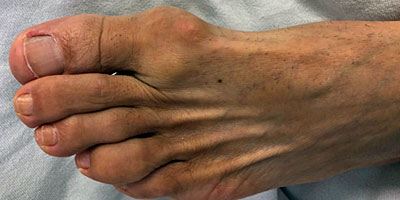
Nerve damage
N Sooner or later diabetes patients experiene numbness, tingling, pain, or loss of feeling in their feet. The loss of feeling in your feet can be a major concern for anyone with diabetes, but it’s even more distressing when you don't know why and how much has been lost. This type is known as sensory diabetic neuropathy because those areas that usually feel things best - such as warmth or kicking-do not work anymore!
While nerve damage due to diabetes is not new, it has been shown that this form of neuropathy can affect people's feet and lead them towards being unable or unwilling to feel pain. This lack-of feeling in your lower body could be why you don't notice many things happening there such as cuts getting infected by bacteria
As the prpgrswsion of diebetes damages the nerves in your feet you may not feel heat, cold, or pain in your legs This sensory diabetic neuropathy prevents you from feeling a cut or a sore on your foot. And when the cut or sore gets worse, the develop ulcers, and become severly infected.
Additionally, the muscles in your feet may not work properly due to the damage caused to the nerves in them. This could cause your foot to not align properly, thus creating too much pressure on one part of your foot.
Peripheral vascular disease
Diabetes also affects the flow of blood in the affected person’s body. Lack of good blood flow in the body has been attributed to sores or cuts on the body taking longer to heal.
This peripheral vascular disease is a condition relating to the poor flow of blood in the arms and legs. When having an infection that has not healed properly due to poor blood flow, you are at risk of developing ulcers. In certain cases this can also lead to death of tissue due to lack of blood flow (also known as gangrene).
If you have nerve damage or peripheral vascular disease, you should see your foot doctor as soon as possible for guidance on proper diabetic foot care. If the condition of the feet has deteriorated to the extent of ulcers manifesting, diabetic foot ulcer medical treatment will be imperative to deter further worsening of the problem.
So what measures can you put in place for preventing your feet from developing diabetic foot symptoms in the first place.
Easy care practices to prevent diabetes foot problems
For people with diabetes, even the most common foot problems can lead to infection and serious complications. Some examples are amputation or neuropathy which affects your feet's ability to feel pain so you may not know there is an issue until it becomes really urgent
The following passage discusses various aspects of how our bodies interact internally
Proper foot care could prevent the common foot problems associated with diabetes, or even treat them before they cause serious complications. Here are some diabetic foot care practices you can adhere to toward preventing diabetes foot problems:
- Take care of yourself and control your diabetes
You should always follow the advice given to you by your foot doctor. This will include your nutrition, exercise, and medication. In addition, keep your blood sugar levels within the range prescribed by your diabetes or foot doctor.
- Ensure high levels of care for your feet
Foot care for diabetics is an important part of managing your disease. Use mild soap every day and wash your feet in warm water, prior to that make sure you test the temperature by putting either arm inside all throughout; if there's no feeling then use just one joint-time! Soak away any residue using a small amount (about the size) tin foil or plastic bag tied around them before drying off fully after washing - especially between those toes!
As part of taking good care of your feet, always wear closed-toed shoes or slippers; do not wear sandals; do not walk barefoot, even around the house. Always wear socks or stockings and ensure that they fit your feet well and have soft elastic. Also, ensure that you wear shoes that fit well. It is advisable to buy shoes made of canvas or leather.
Keep Your Toes Clean - Wipe from head to toe after using the restroom or changing clothes, paying particular attention to any areas where there may be bacteria growth such as between toes and around nails. Also exfoliate regularly with soap & water – this removes dead skin cells which promote fungus infections by providing an environment rich in nutrients for them (and other microbes)
Additionally, make sure nothing is left within your shoes by regularly checking the inside. Wear socks at night if your feet get cold to protect your feet from cold and heat. Put your feet up when you sit, wiggle your toes, and move your ankles a few times a day to keep the blood flowing to your feet. Avoid keeping your legs crossed for extended periods of time.
- Monitor the condition of your feet
Every day, make sure you check your feet for any sores, blisters, redness, calluses, or other issues. Applying lotion will help keep the skin on your feet moisturized if it's dry. After washing and thoroughly drying the feet, you should do this. As soon as you can, check with your foot doctor if you see anything that needs attention.
- Check toenails regularly
Make sure you regularly inspect your toenails, at least once each week. Use a nail clipper to cut them cleanly across as well. Never file down the sides of your nails or round off the corners of your toenails. Additionally, use a nail file to smooth the toenails after clipping.
Make sure you also protect against infections such as toefungus by applying anti fungal cream or powder twice daily as well at night time before bedtime. Next, change to clean socks frequently - don't just wear one pair the whole day.
- Regular visit to your foot doctor
Even if you don't have any foot problems, it's important to visit your doctor for checkups. The most common reason people go see their Podiatrist about feet is because they want help preventing diabetic complications or Sports Injuries treatment (which we can provide!).
Get help with preventing diabetic foot problems
If you need more information or or have questions on preventing diabetic foot problems or sports injury treatment, click here for leads about how you can be assisted.